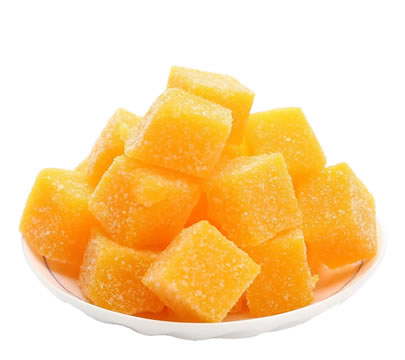


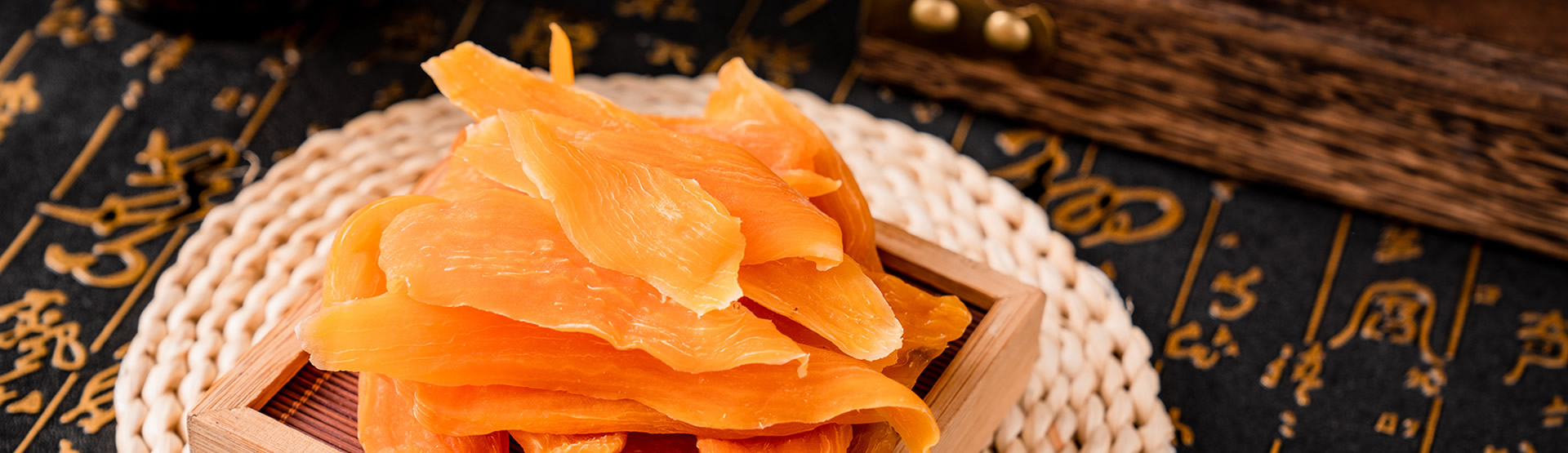
If you enjoy the sweet aroma and gentle tartness of ripe peaches, dried yellow peaches are likely to appeal to you. Drying removes much of the fruit’s water, making its natural sugars and flavor compounds more concentrated by weight. The result is a snack that can deliver a rich peach flavor in a few bites. Its appeal depends on how it is made: some products are soft and pleasantly chewy, while others are firm, sticky, or crisp. Added sugar, the ripeness of the original fruit, and storage conditions also affect the eating experience. For that reason, there is no single answer to whether all dried yellow peaches taste good. A well-made product usually offers recognizable peach flavor, a comfortable texture, and enough acidity to keep the sweetness balanced. Understanding the main differences between products can help you choose one that suits your taste.
The flavor of dried yellow peaches generally combines sweetness, fruity aroma, and a mild tang. Yellow-fleshed peach varieties vary in acidity and aroma, so the starting fruit matters. Peaches harvested at suitable ripeness tend to offer a fuller flavor, although drying and any processing before drying can change their fresh character. Conventionally dried peaches often have a deeper, sometimes slightly cooked fruit flavor, with less of the juicy freshness you experience when biting into a ripe peach. Sweetened products may taste closer to fruit candy, especially when the peach slices are soaked in a sugar solution before drying. Unsweetened versions can still taste distinctly sweet because water removal concentrates the fruit’s naturally occurring sugars. Neither style is automatically better: people who enjoy candy-like snacks may prefer added sweetness, while those who appreciate a noticeable tart edge may favor unsweetened options. Check the ingredient list rather than judging sweetness by appearance. A bright golden color does not reliably indicate better flavor, higher ripeness, or less processing.
Texture is just as important as flavor when deciding whether dried yellow peaches are enjoyable. Conventional drying usually produces a chewy texture, but the final moisture content and thickness of the pieces make a considerable difference. Thicker slices may have a tender center and a firmer outside, while thin slices can be tougher if dried extensively. Products with more retained moisture often feel softer, although their storage requirements may differ from those of drier products. Freeze-dried yellow peaches provide another experience altogether. They are generally light, porous, and crisp, breaking apart readily as you chew. Their texture appeals to people who dislike dense or sticky dried fruit, but they readily absorb moisture from the air and can lose their crunch after opening. When shopping, descriptions such as “soft dried,” “chewy,” and “freeze-dried” are useful starting points, though they cannot guarantee a particular texture. Trying a small package first is a practical way to discover your preference. Once opened, keep the package tightly sealed and follow the manufacturer’s storage directions to help preserve its intended quality.
Dried yellow peaches can fit into a varied diet, but their nutritional value deserves the same attention as their taste. They provide carbohydrates and some dietary fiber, and they can contribute potassium and other nutrients in amounts that vary by product. Drying does not preserve every nutrient equally; vitamin C, for example, is sensitive to heat and oxidation and may be substantially reduced during processing. Because dried peaches contain much less water than fresh peaches, it is easy to eat the equivalent of several pieces of fresh fruit without feeling the same volume of food. A modest portion is therefore a useful starting point, particularly with heavily sweetened products. Compare nutrition labels using the same serving weight, and look at both total sugars and added sugars where these are listed separately. Some manufacturers use sulfur dioxide or other sulfites to help preserve color and quality. These ingredients do not necessarily indicate poor quality, but people with sulfite sensitivity should check the label carefully. Unsulfured peaches may appear darker because of browning, and that color alone does not mean they are spoiled. The ingredient list, packaging condition, and storage history provide more useful information than color by itself.
There are several simple ways to enjoy dried yellow peaches beyond eating them straight from the bag. Cut chewy slices into small pieces and stir them into oatmeal, yogurt, or muesli, where they add concentrated sweetness and a pleasant contrast in texture. Pairing them with unsweetened yogurt or a handful of nuts can balance their sweetness and make a more substantial snack. They also work in muffins, breads, and some savory grain salads, provided the pieces are small enough to distribute evenly. If a recipe needs tender fruit, soak conventionally dried peaches in warm water until they soften, then drain them and account for the extra moisture when cooking. Freeze-dried pieces are especially useful as a crisp topping added just before serving. For your first purchase, choose a small pack with clearly stated ingredients and a texture description that matches what you like. If you want recognizable peach flavor without extra sweetness, start with an unsweetened product; if you prefer a dessert-like treat, a sweetened version may be more satisfying. The most enjoyable dried yellow peaches are the ones whose sweetness, acidity, and texture suit the way you plan to eat them.
If you are intrested in dried dried fruits and would like to lean more, welcome to contact us @ email: sales@driedfruitsnack.com and WhatsApp: +8613991488775.