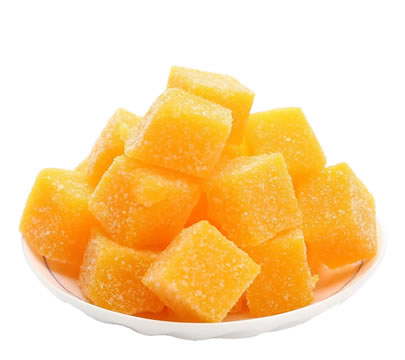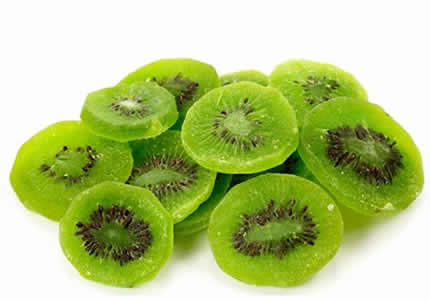


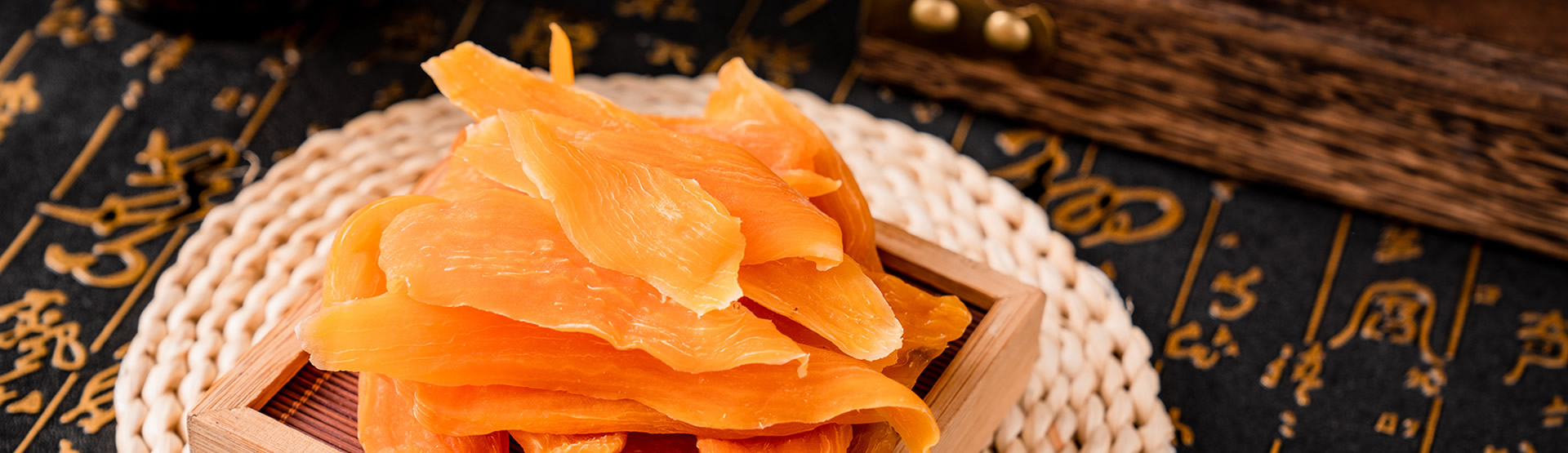
Dried yellow peaches offer a sweet, chewy way to enjoy fruit beyond the fresh peach season, but are they rich in vitamins? The answer depends on the vitamin, the drying method, and the amount you eat. Dried yellow peaches can retain some of the vitamins found in fresh peaches, especially carotenoids that the body can convert into vitamin A. However, drying does not preserve all nutrients equally, and vitamin C is particularly vulnerable to processing and storage. Removing water also makes the fruit more concentrated, so a comparison based on equal weights can give a different impression from a comparison based on typical servings. Dried yellow peaches can contribute to a varied diet, but describing every product as “vitamin-rich” would be too broad. Understanding what happens during drying helps explain both their nutritional value and their limitations.
Fresh yellow peaches contain vitamin C, carotenoids, vitamin E, and small amounts of several B vitamins. Their yellow and orange flesh contains pigments that include beta-carotene, which the body can convert into vitamin A as needed. Vitamin A supports normal vision, immune function, and the maintenance of body tissues. Vitamin C supports collagen formation, helps the body absorb iron from plant foods, and acts as an antioxidant. These functions are important, but the presence of a vitamin does not automatically make a food a rich source of it. Peaches generally provide modest amounts of several vitamins, and their nutrient content varies with the variety, growing conditions, ripeness, and handling. When peaches are dried, some of these vitamins remain while others decline. The result is a convenient fruit product with nutritional value, rather than a reliably concentrated source of every vitamin present in the fresh fruit.
Vitamin C is one of the main reasons to be cautious about strong nutritional claims for dried yellow peaches. It is sensitive to heat and oxygen, and prolonged drying can cause substantial losses. Further losses may occur during storage, particularly when the product is exposed to air, warmth, or moisture. Carotenoids are generally less vulnerable than vitamin C under many drying conditions, although they can also degrade through exposure to heat, light, and oxygen. Some B vitamins may be lost as well, depending on the processing conditions. Freeze-drying often preserves heat-sensitive nutrients better than conventional hot-air drying, but the final vitamin content still depends on preparation, packaging, and storage. Any treatment before drying, such as blanching, can also affect nutrient retention. Because these variables differ between manufacturers, a single vitamin figure cannot accurately describe all dried yellow peaches. Product-specific nutrition information or laboratory analysis provides a firmer basis for judging whether a particular product contains a meaningful amount.
Serving size is just as important as nutrient retention. When water is removed, the remaining sugars, fiber, minerals, and retained vitamins become more concentrated by weight. Consequently, 100 grams of dried peaches represents more original fruit than 100 grams of fresh peaches. This concentration can increase the amount of certain retained nutrients per gram, even when some were lost during processing. However, people usually eat dried fruit in smaller portions, so a small handful may contribute only modest amounts of vitamins. Dried yellow peaches also provide fiber and minerals such as potassium, which add nutritional value but should not be confused with vitamins. Their natural sugars and calories are concentrated too, making portion awareness useful. Products with added sugar contain additional sweetness without a corresponding increase in naturally occurring vitamins. Sweetened dried peaches and peaches sold as candied fruit may differ considerably from unsweetened versions, so they should not automatically be treated as nutritionally equivalent.
When choosing dried yellow peaches, start with the ingredient list and the serving size on the package. For a product without added sugar, look for peaches as the main ingredient and check for sugar, syrups, or juice concentrates used as sweeteners. If the label lists vitamin amounts, consider the amount per serving and its percentage of the relevant daily reference value. A bright orange color alone cannot establish vitamin content: variety, processing, and preservatives can all influence appearance. Sulfites, for example, may be used to limit browning, so preserved color is not proof of superior nutrition. Keep the fruit sealed and follow the manufacturer’s storage instructions to help maintain quality. Enjoying a modest portion with plain yogurt, oatmeal, or nuts can make it part of a varied snack or meal. If your main goal is to increase vitamin C intake, fresh foods such as citrus fruits, kiwifruit, strawberries, and bell peppers are generally more dependable choices. Dried yellow peaches are best valued for their convenience, flavor, fiber, and contribution of some retained nutrients, with their precise vitamin value judged from the individual product.
If you are intrested in dried dried fruits and would like to lean more, welcome to contact us @ email: sales@driedfruitsnack.com and WhatsApp: +8613991488775.