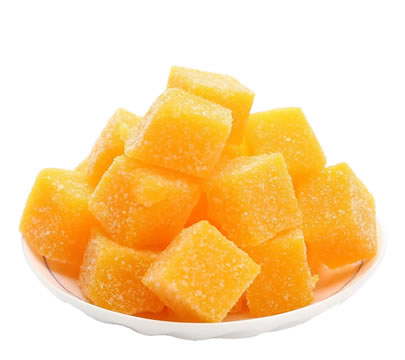



Orange slices can bring fresh flavor, bright color, and a pleasant balance of sweetness and acidity to many foods. They work well in fruit salads, baked desserts, savory meals, breakfast dishes, and drinks, making them a useful ingredient for both everyday cooking and special occasions. Fresh slices are juicy and tender, while dried slices offer a chewy or crisp texture, depending on how thoroughly they are dehydrated. Candied orange slices provide another option, combining citrus flavor with a sweet syrup coating. Choosing the right form depends on the dish you want to make. Peeled slices are usually best when you want easy eating and clean citrus flavor; slices with the peel attached are useful for candying, drying, and decorative baking, although the white pith can taste bitter. With a little preparation, oranges can become much more than a garnish.
One of the easiest ways to use orange slices is in salads and breakfast dishes. For a simple fruit salad, combine peeled orange slices with strawberries, grapes, kiwi, or pineapple. Cut the orange rounds into smaller pieces if needed, and add fresh mint for a fragrant finish. Taste the fruit before adding honey or another sweetener, because ripe oranges may provide enough sweetness on their own. In a savory salad, orange slices pair especially well with thinly sliced fennel, red onion, olives, and leafy greens. Olive oil and a small amount of lemon juice or vinegar make a suitable dressing, while feta cheese adds a salty contrast. Orange and beet salad is another appealing combination: the fruit’s acidity balances the earthy sweetness of cooked beets. For breakfast, place peeled orange slices over oatmeal, yogurt, or chia pudding, then add nuts or seeds for crunch. They also work on ricotta toast with a light drizzle of honey. Remove seeds and any tough pieces of pith before serving, and add the oranges shortly before eating to keep toast and other crisp ingredients from becoming soggy.
Orange slices are equally useful in cakes, tarts, and other desserts. An orange upside-down cake is a classic example: thin orange rounds are arranged over a layer of butter and sugar in the baking pan, then covered with cake batter. After baking, the cake is inverted so the fruit forms the top. Very thin slices are important when using unpeeled oranges because thick peel can remain tough and bitter. Some recipes call for simmering the slices first to soften them and reduce bitterness. For a simpler dessert, arrange peeled orange slices over a cooled tart filled with pastry cream, or serve them beside vanilla ice cream and toasted almonds. Candied orange slices require more preparation but offer several uses. They are typically made by gently simmering thin rounds in sugar syrup until the peel becomes tender and the fruit looks translucent, then allowing them to drain and dry. The finished slices can decorate cakes, accompany coffee, or be partly dipped in melted chocolate. Dark chocolate is particularly effective because its bitterness balances the sweet syrup and citrus flavor. Follow a tested recipe for candying, as cooking time varies with the thickness of the slices and peel.
In savory cooking, orange slices complement poultry, fish, and roasted vegetables. Orange chicken tray bakes, for example, can combine chicken thighs with onion, garlic, herbs, and a modest amount of orange juice, with thin orange slices placed around the meat. As the ingredients cook, the oranges soften and contribute juice and aroma to the pan. The exposed slices may brown or become bitter if they burn, so avoid placing them too close to intense heat. For fish, arrange thin orange slices over salmon or a mild white fish before baking, along with olive oil, black pepper, and herbs such as dill or parsley. The fruit adds a gentle citrus note, although orange juice is generally sweeter and less sharp than lemon juice. Orange slices can also accompany roasted carrots, sweet potatoes, or fennel. Add them partway through roasting if the vegetables need a long cooking time, which helps limit scorching. For cold meals, chopped peeled slices are useful in grain salads made with couscous, quinoa, or bulgur. Combine them with chickpeas, cucumber, parsley, and a citrus dressing for a dish with contrasting textures. In each case, use orange as one component of the seasoning, and taste for salt, sweetness, and acidity before serving.
Drinks and snacks offer further ways to use orange slices, particularly when you have more fruit than you can eat fresh. Add washed orange rounds to water, iced tea, or sparkling water for a mild citrus infusion. They also pair well with cinnamon, cloves, and ginger in warm spiced drinks. If you prefer a stronger orange taste, include some juice, since intact slices release flavor gradually. Dried orange slices can garnish drinks, decorate desserts, or be chopped into homemade tea blends. To make them, cut even, thin rounds, remove the seeds, blot away excess surface moisture, and dry them in a food dehydrator or a low oven following suitable appliance guidance. Drying time depends on thickness, temperature, and airflow; slices intended for storage should have no moist centers. Let them cool completely before packing them in an airtight container, and check for condensation, which indicates remaining moisture. For a quick snack without drying or candying, serve peeled orange slices with cinnamon or a spoonful of plain yogurt. Whatever the recipe, wash oranges before cutting, especially when keeping the peel, refrigerate cut fruit promptly, and use clean utensils to preserve freshness.
If you are intrested in dried dried fruits and would like to lean more, welcome to contact us @ email: sales@driedfruitsnack.com and WhatsApp: +8613991488775.