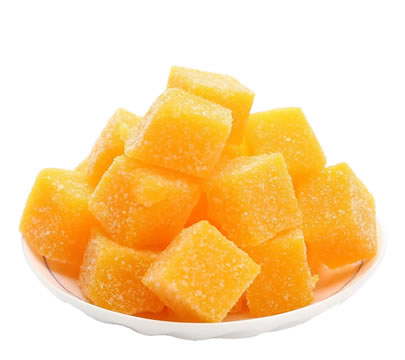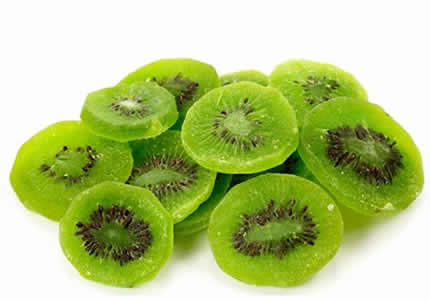


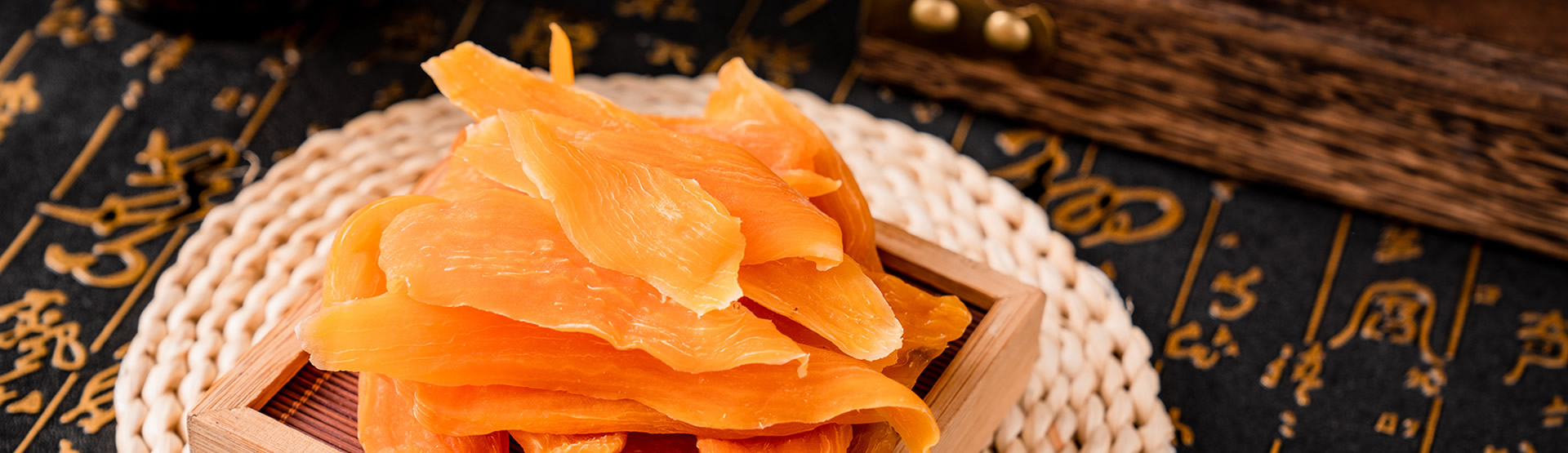
Dried passion fruit offers a convenient way to enjoy the tropical flavor of passion fruit beyond its fresh season. Its nutritional value comes mainly from carbohydrates, dietary fiber, and varying amounts of vitamins, minerals, and plant compounds. However, “dried passion fruit” can describe several different products, including dried pulp with seeds, freeze-dried pieces, sweetened fruit slices, and candied passion fruit peel. These products can differ considerably in their nutritional composition. Drying removes water, concentrating many of the nutrients and natural sugars in the remaining fruit, but processing can also reduce certain heat-sensitive vitamins. Added sugar further changes the balance between calories and nutrients. To understand what dried passion fruit contributes to a healthy diet, it helps to consider which parts of the fruit are included, how it is processed, and how much you eat.
Carbohydrates are usually the main source of energy in dried passion fruit. In products made from whole pulp, some of these carbohydrates come from the fruit’s naturally occurring sugars. Because much of the water has been removed, a small weight of dried fruit can represent a considerably larger weight of fresh fruit. This makes dried passion fruit a portable energy source, although it also means that calories and sugars can add up quickly. Dietary fiber is another potential benefit, particularly when the product retains the seeds and other edible fruit solids. Fiber supports regular bowel movements, and some types of fiber help slow the absorption of carbohydrates during digestion. It can also contribute to a feeling of fullness as part of a balanced meal or snack. However, the amount of fiber depends on the product: a strained fruit preparation or a snack containing only a small proportion of passion fruit may provide much less than dried pulp with seeds. The seeds also contribute some fat and protein, but dried passion fruit is generally not a major source of either nutrient.
Fresh passion fruit contains vitamin C, provitamin A carotenoids, and minerals such as potassium, with smaller amounts of other minerals, including iron and magnesium. Some of these nutrients remain after drying, but their levels should not be assumed to match those of fresh fruit. Vitamin C helps support normal immune function, is needed for collagen formation, and improves the absorption of iron from plant foods. It is also sensitive to heat, oxygen, and prolonged storage, so conventional drying can substantially reduce its content. Freeze-drying often preserves heat-sensitive nutrients better than methods that use higher temperatures, although the final amount still depends on processing and storage conditions. Certain carotenoids can be converted by the body into vitamin A, which supports normal vision and immune function. Minerals are generally more stable during drying because heat does not destroy them, though processing steps can affect how much remains in the finished food. Potassium supports normal nerve and muscle function, while magnesium participates in many enzyme reactions. Nevertheless, a small serving of dried passion fruit may supply only modest quantities. Use the package’s nutrition information, where available, rather than treating every product as a rich source of these nutrients.
Passion fruit also contains naturally occurring plant compounds, including polyphenols and carotenoids, that have been studied for their antioxidant properties. In laboratory settings, some of these compounds can help neutralize reactive molecules involved in oxidative damage. Their presence adds nutritional interest, but it does not establish that eating dried passion fruit prevents disease, “detoxifies” the body, or produces a specific medical benefit. Health outcomes depend on the overall diet and many other factors, and research on an isolated extract cannot automatically be applied to an ordinary serving of dried fruit. Processing matters here as well: temperature, exposure to air, and storage time can change the amount or availability of certain compounds. Products made primarily from peel also have a different composition from those made from pulp and seeds. Although passion fruit peel contains fiber and other plant substances, commercial candied peel may contain substantial added sugar. Its nutritional value should therefore be assessed from its own ingredient list and nutrition panel, rather than from information about fresh passion fruit pulp.
When choosing dried passion fruit, start by reading the ingredient list to see how much the product resembles the fruit itself. An unsweetened product made from passion fruit pulp and seeds will have a different nutritional profile from one made with sugar syrup, starch, or other ingredients. Check the serving size, calories, total sugars, added sugars where listed, and dietary fiber. An unsweetened label does not mean sugar-free, since the fruit naturally contains sugar. A small portion, such as 20–30 grams, can be a practical starting point, but the appropriate amount depends on the product and your individual energy needs. Adding a little to plain yogurt, oatmeal, or a handful of nuts can bring flavor and texture to a snack that also provides protein or fat. People managing blood glucose should account for the total carbohydrate content and portion size. Anyone sensitive to sulfites should check for sulfur dioxide or related preservatives, which may be used in some dried fruit products. Keep the package sealed and follow its storage instructions to maintain quality. Chosen carefully and eaten in moderate portions, dried passion fruit can contribute fiber, some micronutrients, and enjoyable variety to an otherwise balanced diet.
If you are intrested in dried fruit and would like to lean more, welcome to contact us @ email: sales@driedfruitsnack.com and WhatsApp: +8613991488775.